
In the previous post, I outlined how videogames can use the setting to convey a narrative, but it is also important to note the importance that player choice can have in a story. Some games are built around this idea, such as the work of Telltale Games (most famously their Walking Dead series), while some do very little to give the player direct involvement in the narrative, which is not to say players have no effect.
As previously mentioned, The Walking Dead is a great example of overt player involvement in narrative, as it is designed entirely around letting the player make decisions (both big and seemingly small) on behalf of the protagonist. This creates a clear investment from the audience in the protagonist’s story, as not only do you relate to them, but through making choices for the playable character the line between audience member and protagonist is blurred.
Role Playing Games (RPGs) also have some of the clearest examples of player involvement in the narrative. Many RPGs feature a character creation system, and/or let the player decide how the protagonist will behave throughout the story. The effect of this is in the name; by allowing control over the main character even down to their appearance, Role Playing Games let the player immerse themselves within the fantasy of existing within the setting. In some cases, this afforded choice can appear illusory, as giving the player a set of choices can feel limited if the player wants to do something the choices don’t cover, highlighting the game’s limitations (ironically more than entirely linear games, as the lack of choice in those often remove the thought of player freedom from the audience entirely).
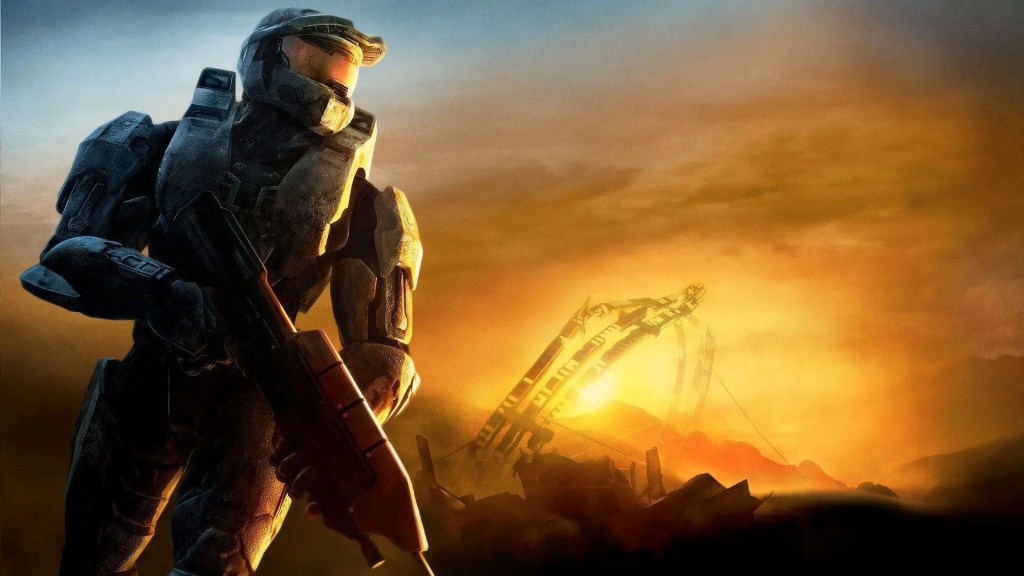
Something worth acknowledging is subtle effect that the player has over the their relationship to the narrative in theoretically linear experiences. In first person shooters like Halo’s single player campaigns the player is essentially walked through the story with no choice: to finish the game, the protagonist “Master Chief” is required to shoot hordes of aliens in specific locations, laid out chronologically. However, even though the plot itself cannot be changed, the player has a surprising amount of control over smaller details that can change their view of the experience. One player may try to stick to long range weapons, changing Master Chief into an elite sniper figure, whilst others may play the role of a duellist through the use of pistols and shotguns. Some players might charge through the story and take it very seriously, rarely taking damage, whereas others might slowly walk through each level, joking around and almost dying at every turn. In the first example, Halo is a serious action epic, yet in the other it is an action/slapstick comedy, despite the written narrative remaining unchanged. Each player will view Halo differently because of the behaviour they demonstrated when controlling Master Chief.
 Heryland
Leave a comment