
Player involvement is the key difference between videogames and all other artistic mediums. Previously, this blog has gone over how this affects the audience experience in a fairly surface level way, but this post will go over how the theme of a game can be uniquely expressed through the medium, especially when games lack linearity in both gameplay and narrative.
Much as individual players will have unique experiences of the character they play through their own gameplay, they may also reach their own conclusions on the themes of a game through what they experience. Once again, the works of FromSoftware are excellent at creating an individualistic thematic experience for this. Dark Souls III is a great example, as many key details in the story are hidden in secret areas and behind completion of side quests.
The goal of Dark Souls III, on the surface, is to “link the first flame” to continue “the Age of Fire”, which is the same goal as the first game in the franchise. However, whilst the time since the first game is never stated, it is heavily implied that the age of fire has been prolonged for an unnatural amount of time: characters and landscapes are rotting and decaying, and the first flame (which was a large fire in the first instalment) is now a tiny ember if linked. Through finding a secret item and giving it to a specific character, the player can find an alternate ending where you refuse to link the first flame and bring about a new age (“the Age of Dark”). There is also an even more convoluted path to another secret ending, wherein you become the ruler of “the Age of Hollows”. What is interesting about these hidden endings, is each one changes the context of the others. The Age of Dark ending paints the first ending as a negative conclusion, when that may not be clear without the context of the second ending, and the Age of Hollows ending reveals a broader context of the world, as it suggests a vying for control over the next age that again is less clear without discovering the ending.
All of this creates very different impressions of the game to each player, as somebody who only sees the first ending and does little exploration of side content will remain unaware of the potential better/worse endings. Now, an interesting question to raise here is whether the undiscovered content still informs the themes of the game or if whatever the player experiences is all that matters for their discussion of the game’s themes. If undiscovered content matters, then the game must always be viewed as a complete artistic statement, where it is irrelevant what the player experiences, and all that matters is that the player can experience everything. If not, then a videogame must be seen as more as a tool for letting the player reach personal conclusions on the subjects discussed.
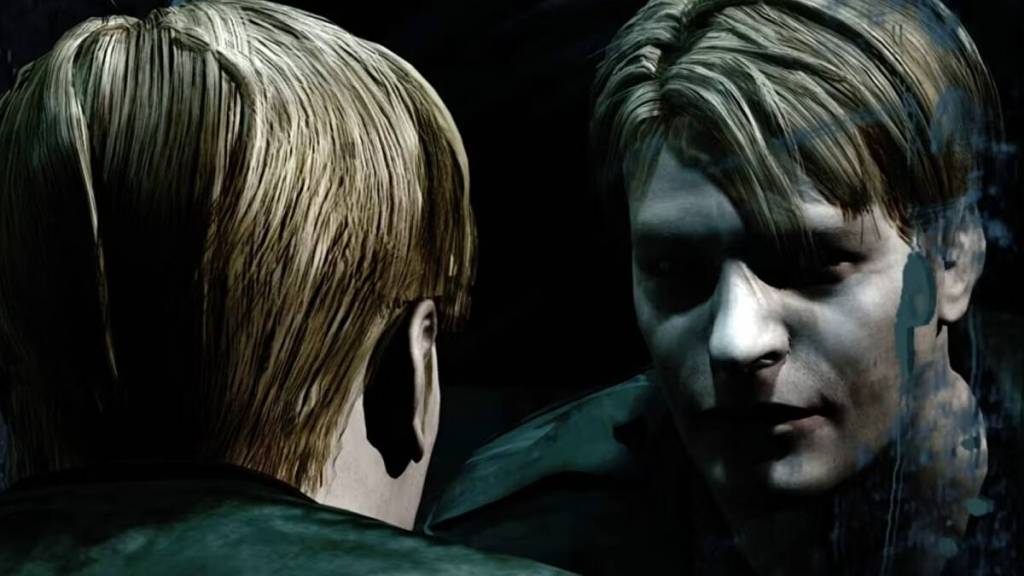
To me, it depends on the game. A game like Dark Souls III works best as a complete experience, with details undiscovered by the player still being worth considering when discussing what the game is saying. However, a game like Silent Hill 2, which tells a far more personal story, is perhaps more interesting if the individual player experience is given more thought, as the player’s behaviour reflects the protagonist’s conclusions in the story, so only considering what the player is aware of can create an interesting discussion regarding how they consider the game’s artistic statement. This can also apply well to RPGs like Fallout: New Vegas, due to the encouragement of player choice.
For some games, the mere fact that there are multiple endings or content likely to go undiscovered by the player is what matters. Most clearly, games like The Stanley Parable uses branching paths as a primary point of the gameplay, with the incentive to keep playing being replay value, to find new endings. Other games such as Outer Wilds, which focuses on exploring a miniature galaxy over and over again in a groundhog day styled situation, the potential inability a player has to discover everything the game offers in itself offers an interesting point of analysis.
 Heryland
Leave a comment